Switching on one protein makes cancer-fighting immune cells stronger, lab study finds
Cold Spring Harbor Laboratory scientists found that activating the protein PPARD boosts CAR-T cells against colon tumours in mice and human organoids.
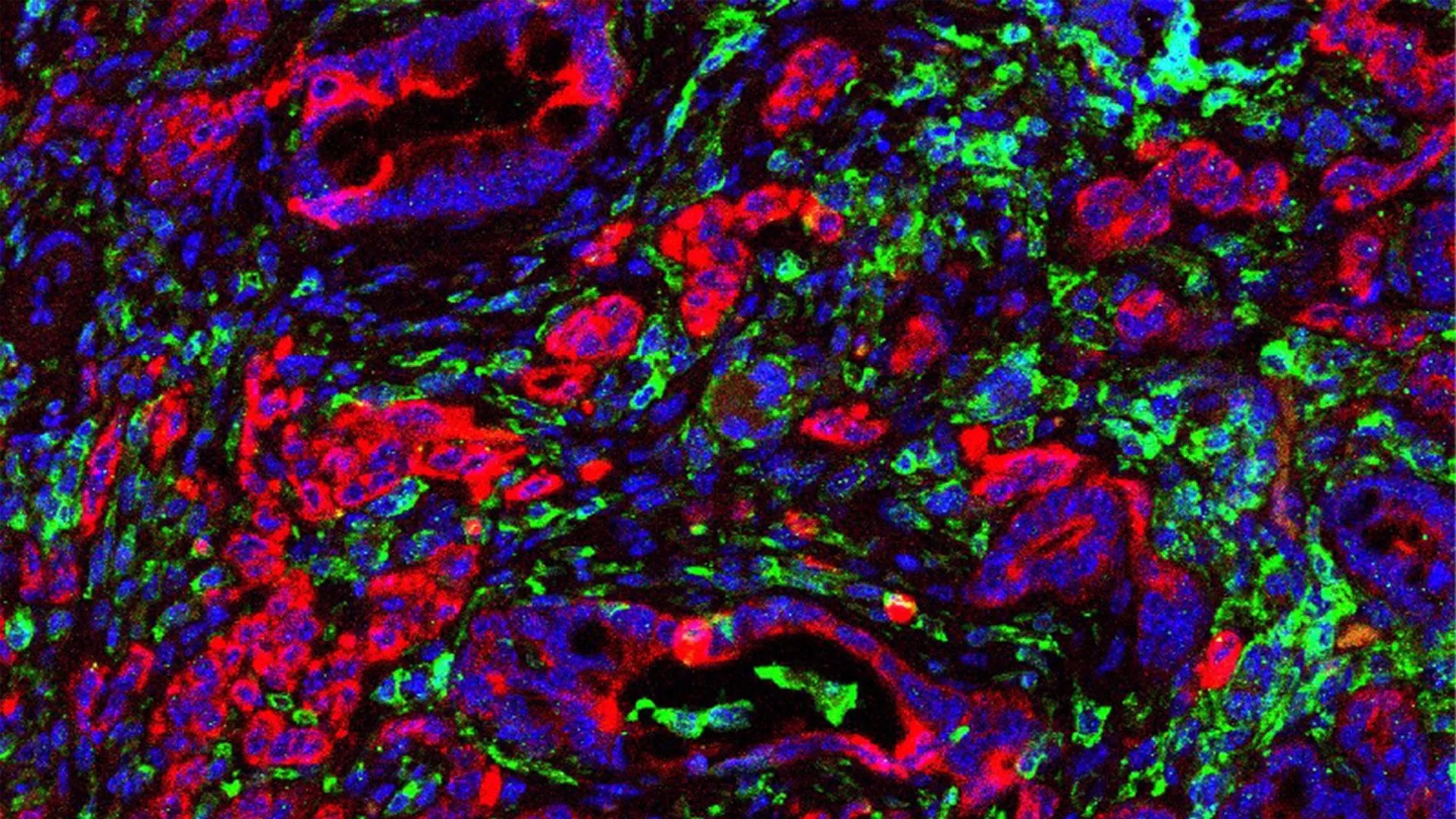
CAR-T therapies, which reprogramme a patient’s immune cells to attack cancer, work well against some blood cancers but struggle with solid tumours such as colon cancer. A team at Cold Spring Harbor Laboratory in New York has found a way to give them a boost.
A protein that switches sides
The researchers focused on PPARD, a protein known to help some tumours grow. When they switched it on inside CAR-T cells, the cells held up better and slowed or stopped the growth of colon tumours in mice and in organoids, tiny tumour models grown from human cells.
What comes next
The work, published in Nature Immunology, is still at the lab stage and has not been tested in patients. But it points to a way of making these therapies work against more cancers.