Scientist who helped green China's Loess Plateau wins the Volvo Environment Prize
Bojie Fu, of the Chinese Academy of Sciences, received the 2026 Volvo Environment Prize in Stockholm on 2 November. His research on the Loess Plateau, once among the most eroded places on Earth, showed that planting more is not enough: the wrong species, or trees planted too densely, can deepen water scarcity. That warning changed how the plateau was restored.
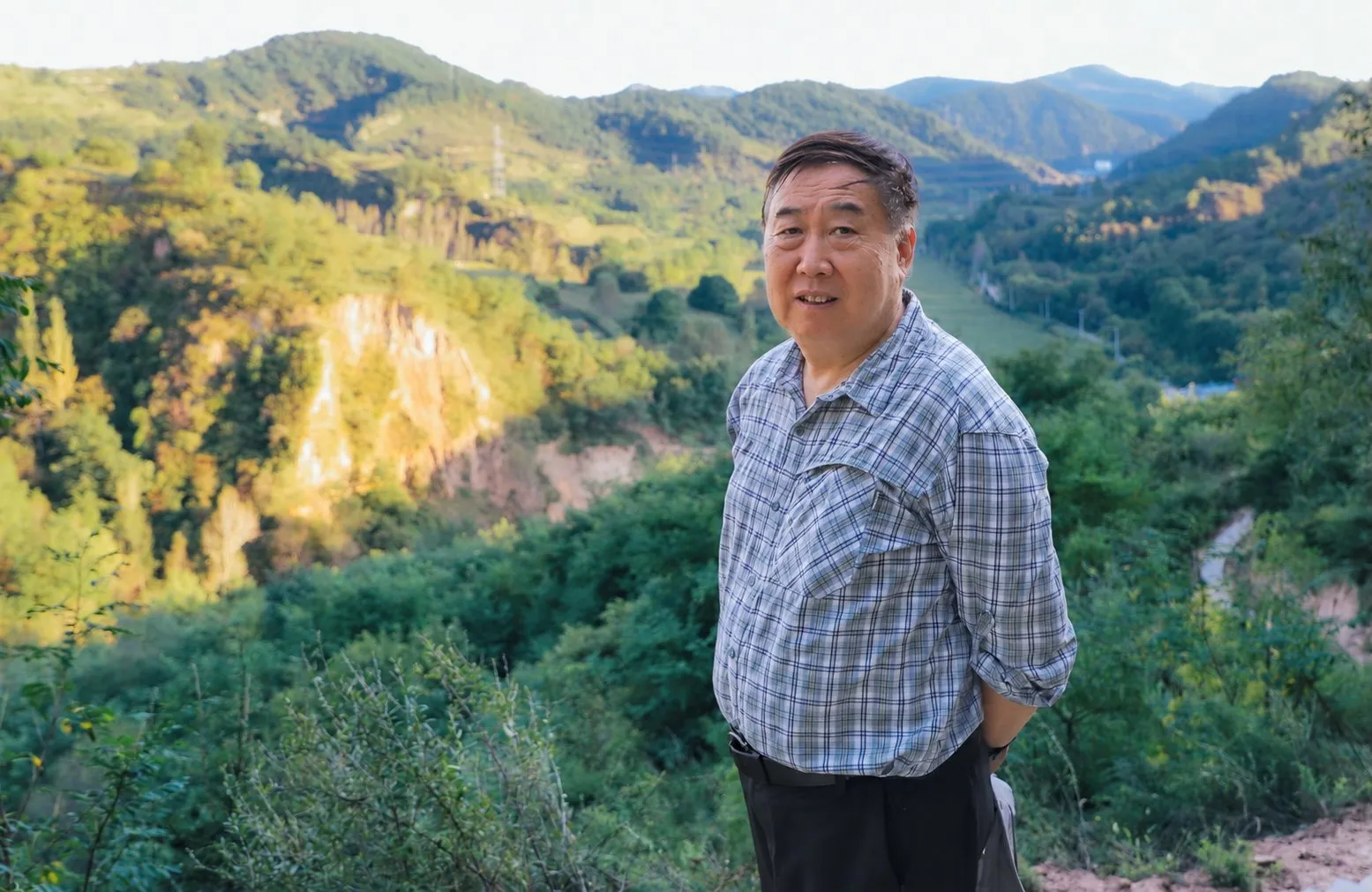
Three decades ago, the Loess Plateau in northern China was one of the most eroded places on the planet: with its vegetation gone, rain washed the soil into the Yellow River. Today much of it is green again, and one of the scientists who worked out how to do that without draining the water, Bojie Fu, received the 2026 Volvo Environment Prize in Stockholm on 2 November.
Fu is Professor of Geography and Landscape Ecology at the Research Center for Eco-Environmental Sciences of the Chinese Academy of Sciences. The prize, awarded since 1990 by an independent foundation, comes with a diploma, a glass sculpture and SEK 1.5 million.
More trees are not always better
The simple answer would have been to plant everywhere, the prize foundation notes. Through field studies and landscape-scale analysis, Fu’s team looked at how land use, vegetation, water, soil, biodiversity and local livelihoods affect each other.
Their findings cut both ways. More vegetation holds soil in place, stores carbon and brings wildlife back. But planting the wrong species, or planting too densely, can make water scarcity worse and threaten the restored land. That evidence helped shift the effort from mass planting campaigns to management suited to each place: which species to plant, where they can survive and how to balance restoration with farming.
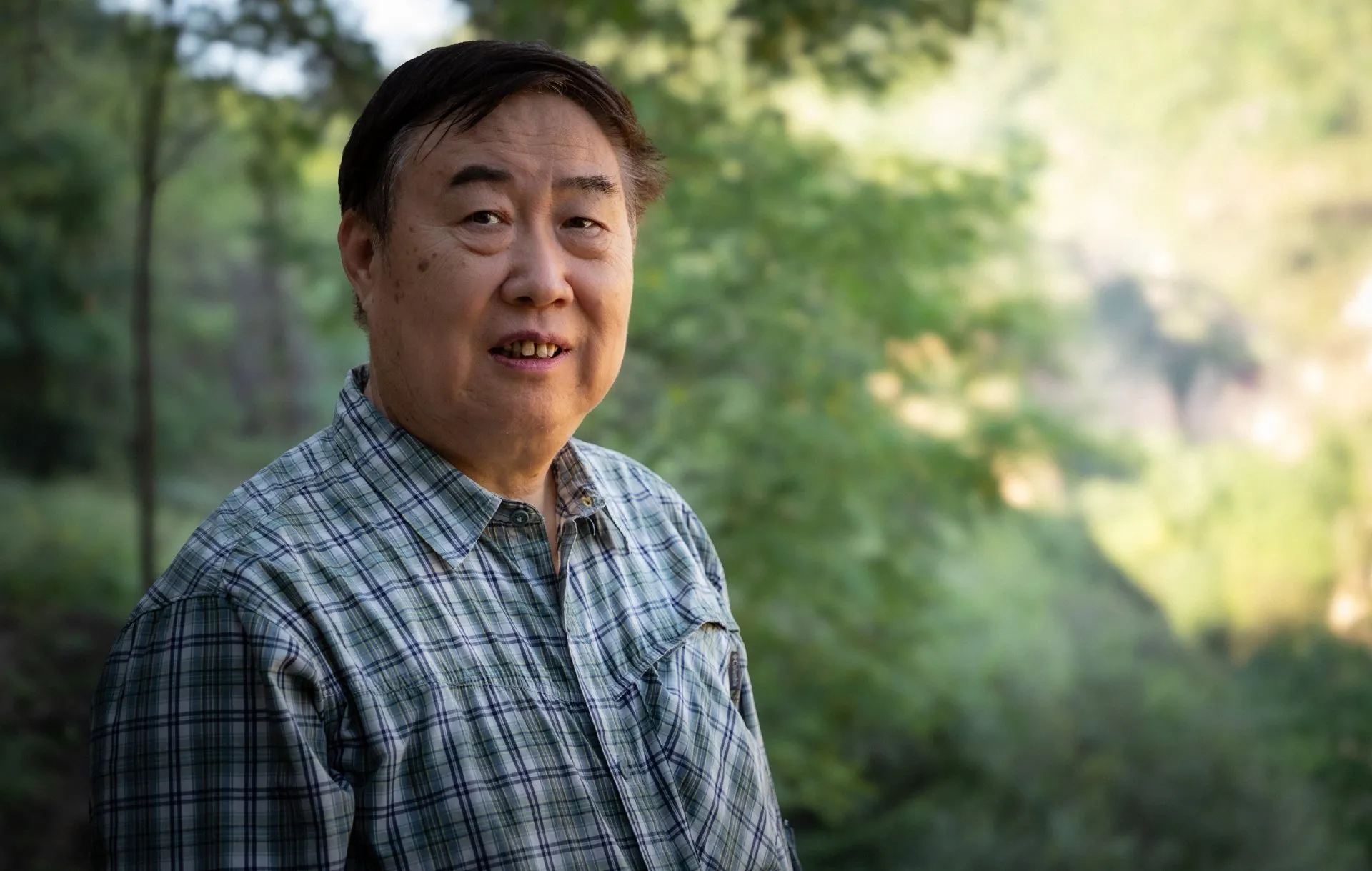
Bojie Fu, winner of the 2026 Volvo Environment Prize. Photo courtesy of the Volvo Environment Prize.
Farmers brought on board
One big obstacle was farmers’ fear of losing their livelihoods if they could no longer farm or graze the slopes. The national Grain for Green programme overcame it by compensating local communities and farmers.
The foundation stresses that the recovery was neither quick nor simple. The World Bank funded the early demonstration projects; the Chinese government paid for most of what followed. According to the jury, it worked because of constant scientific monitoring and a willingness to change course when the data showed something was not working.
“The work on the Loess Plateau was not mine alone. It was the result of sustained efforts by my team members and generations of students who have worked there over the years,” Fu told Xinhua after receiving the award.
Why it matters
The Loess Plateau is now widely cited as an example for dry regions facing erosion, water scarcity and food insecurity. The jury says Fu’s work has created science-based pathways to restore land and improve people’s lives across much of the Global South.
Sources
- Volvo Environment Prize · 2026 laureate page and press material
- AB Volvo via PR Newswire · The science that brought green back to China's Loess Plateau awarded the 2026 Volvo Environment Prize (23-09-2026)
- Xinhua via People's Daily · Chinese scientist wins Volvo Environment Prize (03-11-2026)
- Chinese Academy of Sciences · CAS in Media (04-11-2026)