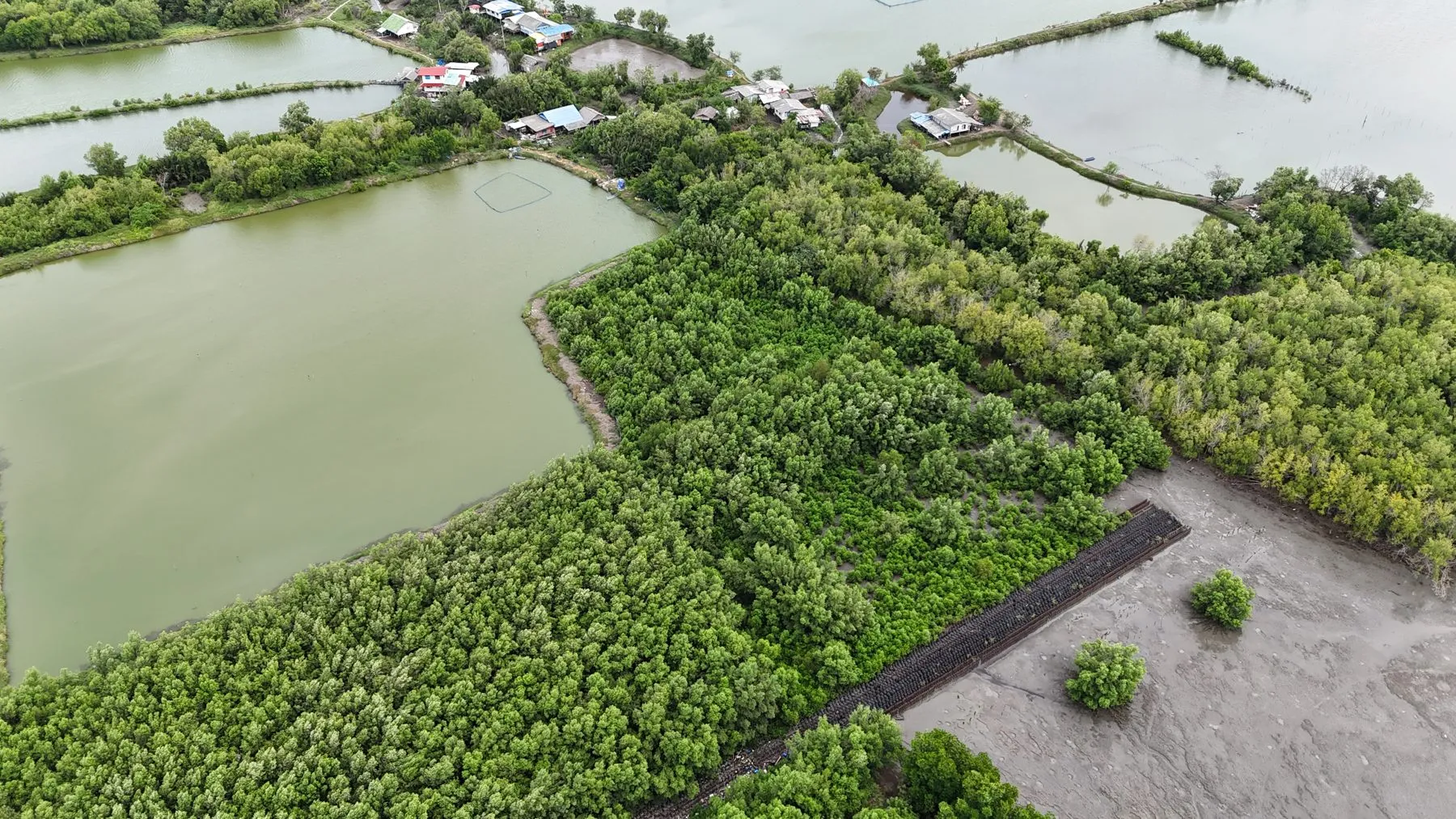
Restored salt pan in Spain's Bay of Cádiz more than doubles Kentish plover nests
At La Esperanza, a traditional salt pan the University of Cádiz is restoring inside the Bay of Cádiz Natural Park, nests of the threatened Kentish plover have risen from 30 to 74 this year. It is a single 39-hectare site: of the 155 salt pans once worked around the bay, only four or five are still active, and traditional salt barely pays.
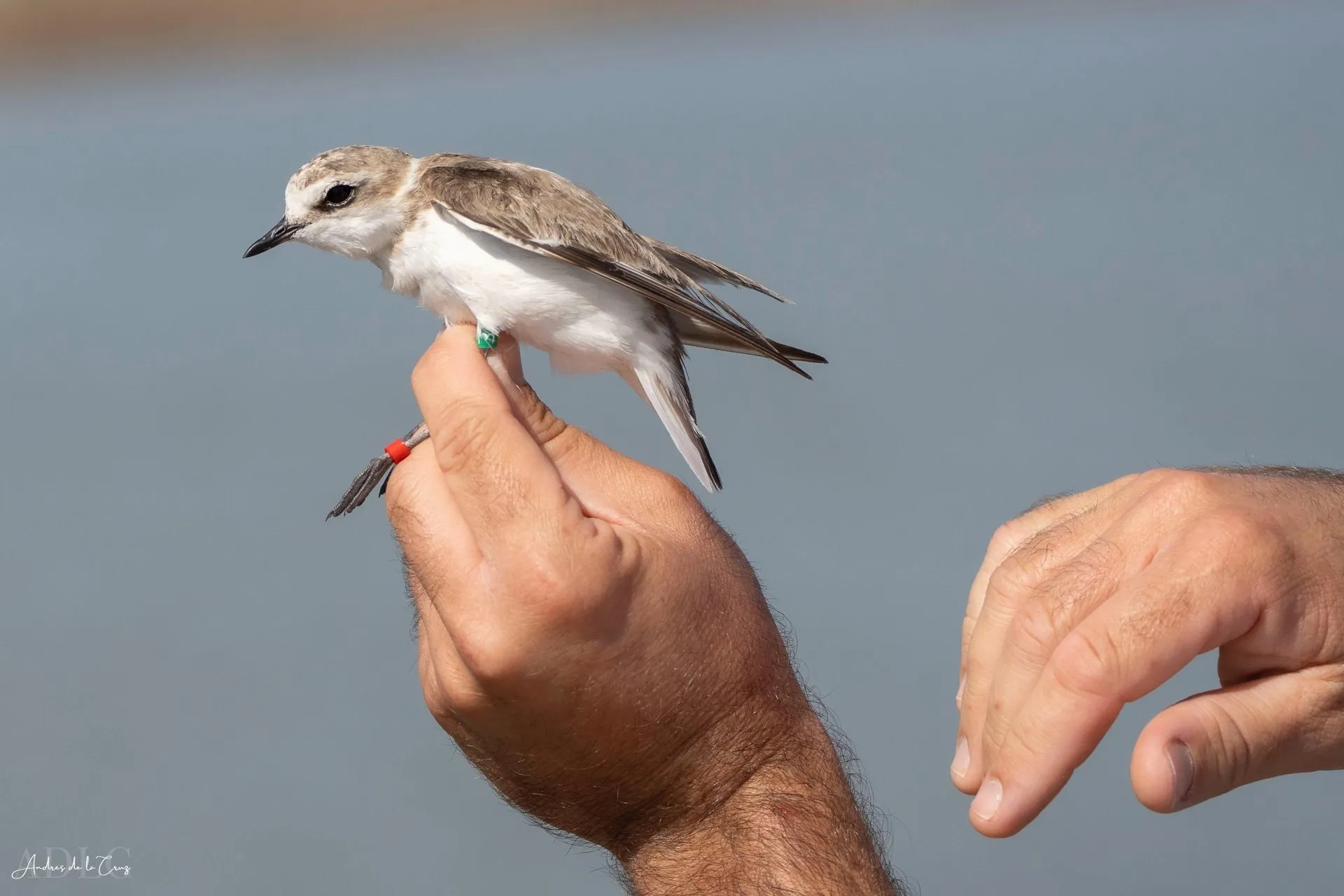
In the 1990s the La Esperanza salt pan was completely abandoned. This year the team counted 74 Kentish plover nests across its 39 hectares inside the Bay of Cádiz Natural Park, up from 30 before restoration. The Kentish plover is a small, threatened shorebird that nests on bare ground.
The University of Cádiz (UCA) has held a concession on the public land since 2012 and runs it through its La Esperanza salt pan research service, led by Macarena Castro. According to the university, restoring the old channels and marsh areas is what gave the birds somewhere to breed again.
From 155 salt pans to four or five
The caveat is scale. Castro estimates the bay once had 155 working salt pans; four or five remain. Traditional salt-making has been in decline since the mid-20th century because, as Javier Benavente, dean of the Faculty of Marine and Environmental Sciences, puts it, neither artisanal salt nor extensive fish farming in the ponds pays on its own.
So the university is testing other uses that could keep salt pans alive: microalgae to clean water, seaweed, aquaculture combined with tourism, tidal energy from the sluice gates and samphire (salicornia), a marsh plant being studied as a salt alternative.
Deals with other salt-pan owners
UCA already has land stewardship agreements, in which owners commit to conservation, at three more sites: Estero Natural and Santa Teresa in Chiclana de la Frontera, and Marambay, between Cádiz and San Fernando.
The work was presented in Chiclana on 22 October, Spain’s first Land Stewardship Day, as part of the EU-funded LIFE Custodia project. That project has €1.7 million to 2028 and aims to cover at least 5,000 hectares across Spain. Cádiz will host Spain’s national land stewardship conference on 4-6 March 2027.
Why it’s good news
Restoring a traditional salt pan gives threatened birds a place to nest again and keeps an old craft and a unique landscape of the Bay of Cádiz alive.
Correction (27 October 2026): 74 Kentish plover nests were recorded at La Esperanza in 2026, not 104 as we first reported based on local press. Thanks to the La Esperanza Salt Pan Central Research Service team for letting us know.
Sources
- La Esperanza Salt Pan Central Research Service (University of Cádiz) · 2026 nest count, confirmed to our newsroom (27 October 2026)
- Cadiznoticias · Restoring Cádiz salt pans raises Kentish plover nests at La Esperanza to 104 (22 October 2026, in Spanish)
- Europa Press via Teleprensa · Scientists restore traditional Cádiz salt pans (22 October 2026, in Spanish)