A Spanish wind-powered sled sets off to cross 3,400 km of Antarctica with zero emissions
Explorer Ramón Larramendi's Windsled heads for the Antarctic interior, pulled by kites and powered by the sun. On board: 16 science projects, from microplastics and viruses to how isolation affects the mind.
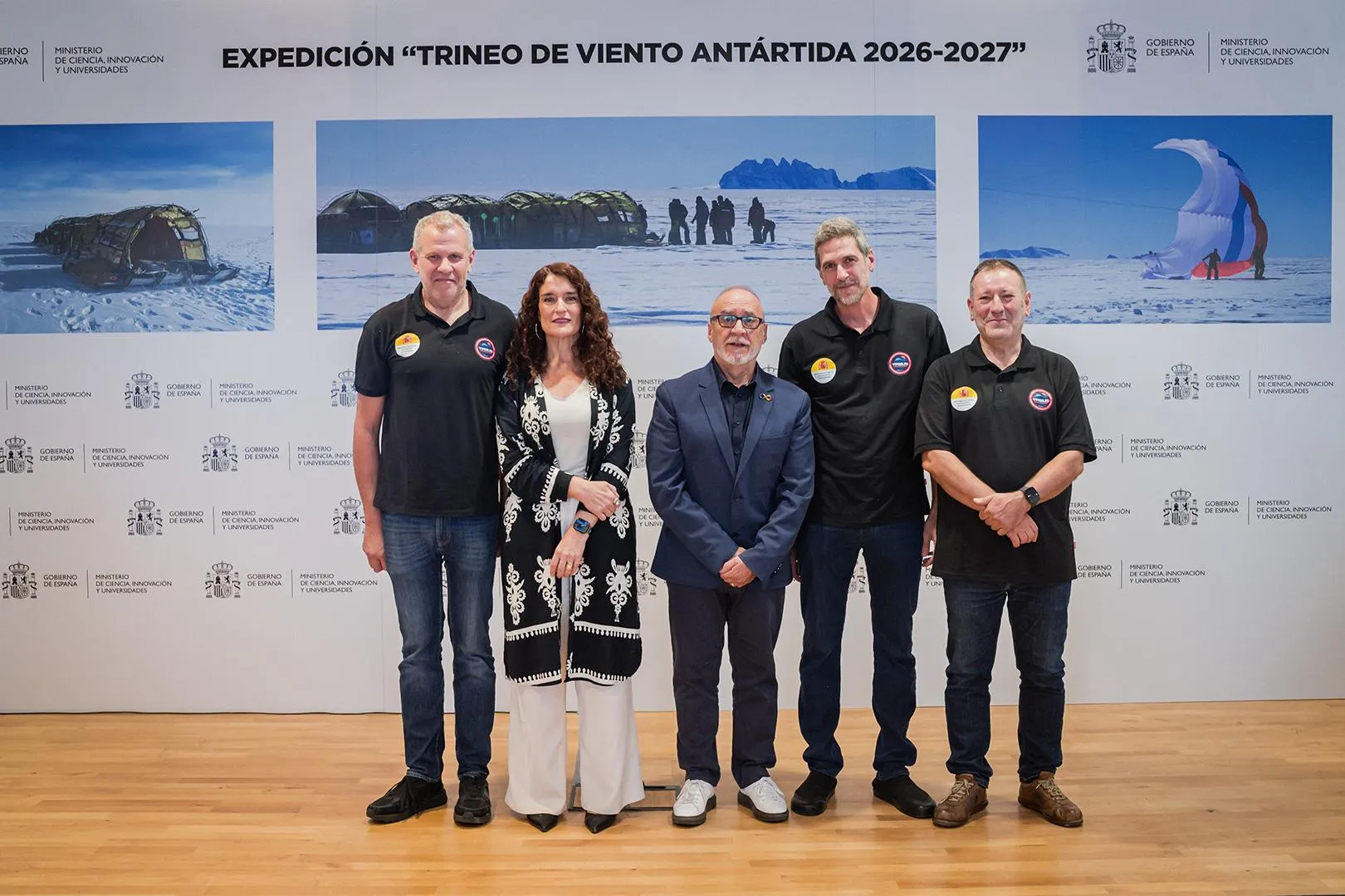
A Spanish expedition will travel 3,400 kilometres across the Antarctic interior without burning a drop of fuel. The Windsled, the polar vehicle designed by explorer Ramón Larramendi, is pulled by giant kites and runs its equipment on solar power. It left Spain on 18 October and is due back in early February.
A laboratory that moves with the wind
The sled, about 15 metres long, works as a mobile lab. It carries 16 science projects chosen by the Spanish Polar Committee, from institutions including the CSIC, CIEMAT, INTA and six universities:
- Microplastics and pollutants that reach the heart of the continent.
- Viruses and microorganisms that survive in the ice.
- The ice itself, as an archive of past climate.
- The mind in isolation: how cold and solitude affect the crew, useful for future space missions.
Why it matters
The Antarctic interior is one of the least studied places on Earth because getting there is expensive and polluting. The Windsled shows that large-scale research can run on clean energy.