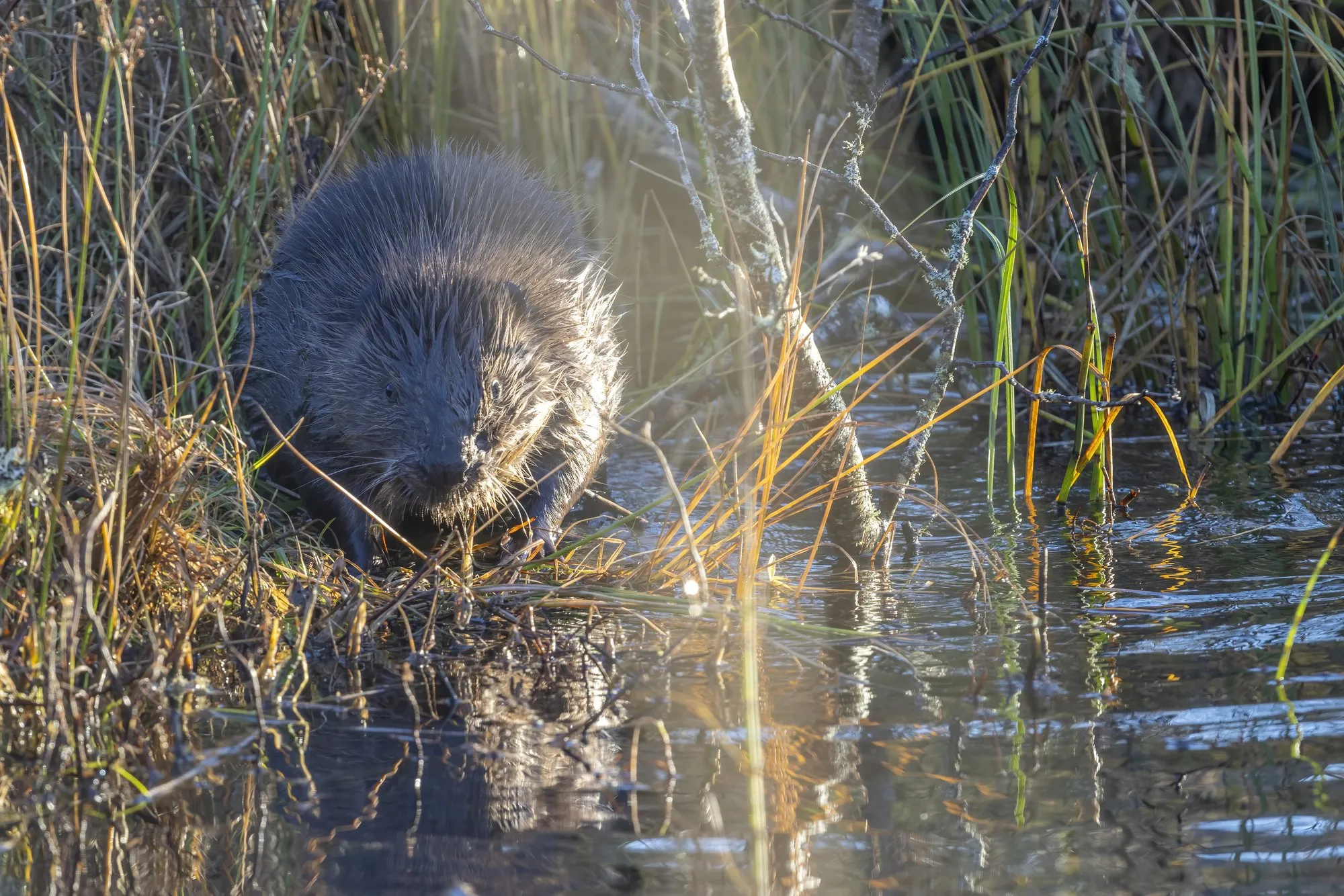
Colombia and Armenia lead 17-nation push to bring species back from the brink
The CARES coalition wants to go beyond protecting habitats and actively recover specific species, from the Orinoco crocodile to the cotton-top tamarin, with measurable progress by 2030. The UN biodiversity summit is under way in Yerevan.
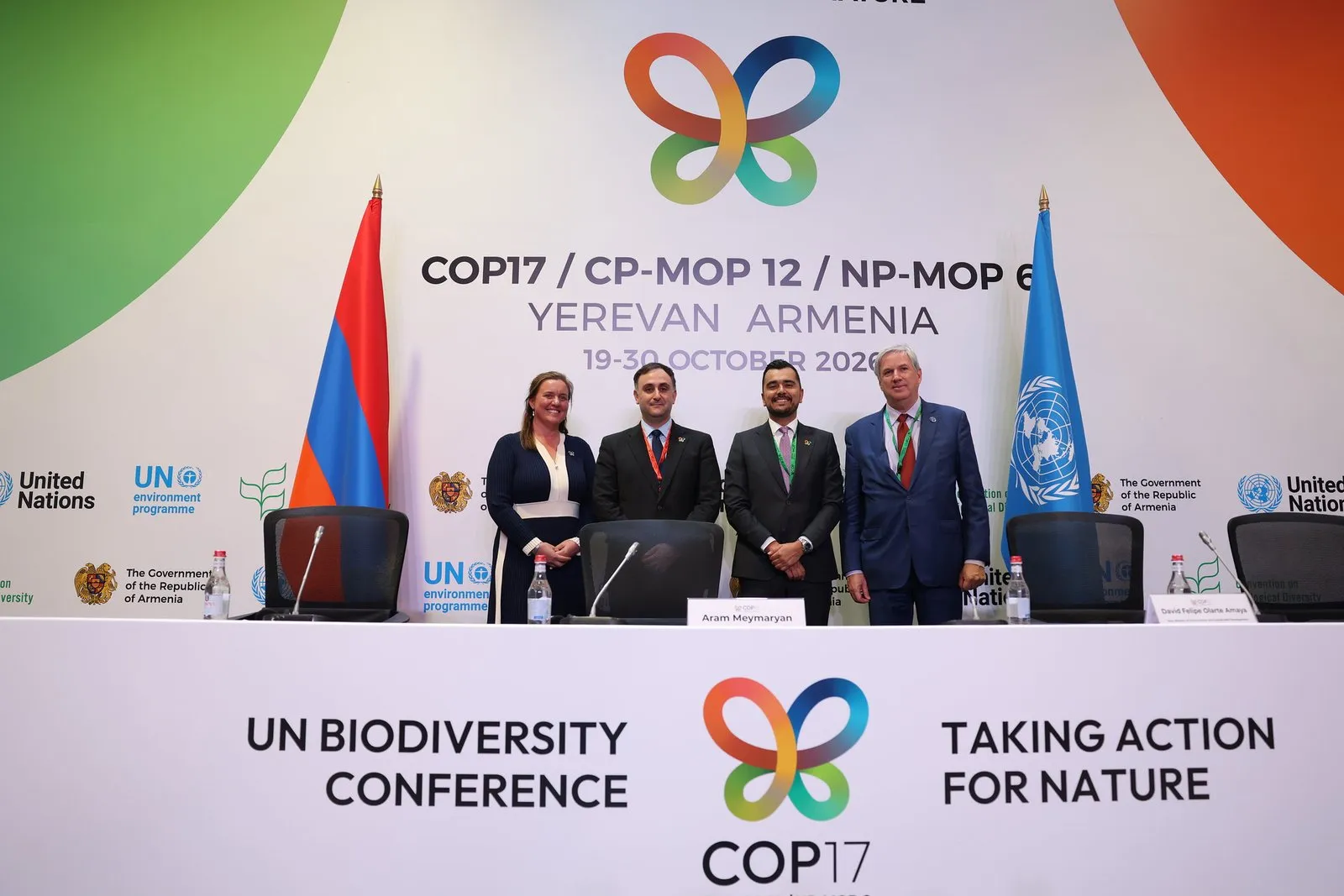
Protecting a forest or a river is not always enough to save the animals and plants that live there. Some species are so close to the edge that they need hands-on help: captive breeding, reintroductions or control of invasive species. That is the thinking behind CARES, a new government coalition for the recovery of threatened species launched by Colombia and Armenia and already backed by 17 governments.
Who’s in
Colombia and Armenia co-chair the coalition. The other members are Belize, Brazil, Canada, China, Costa Rica, Ecuador, Fiji, Indonesia, Madagascar, Mexico, Panama, Papua New Guinea, Peru, the United Kingdom and Vanuatu – eight of them in Latin America, one of the most biodiverse regions on Earth.
CARES was unveiled on 16 October in Yerevan, Armenia, ahead of COP17, the UN biodiversity summit taking place there from 19 to 30 October. Its secretariat will be run by Reverse the Red, an alliance founded by the IUCN Species Survival Commission and the World Association of Zoos and Aquariums.
What they’ve signed up to
Each country will identify species that need recovery work beyond habitat protection and aim for measurable progress by 2030. It is a way of delivering Target 4 of the Kunming-Montreal Global Biodiversity Framework, which calls for an end to human-driven extinctions.
Colombia has named examples of species that could benefit: the Orinoco crocodile, the blue-billed curassow, the yellow-eared parrot and the cotton-top tamarin, a small primate found only in the north of the country.
What they said
“The real challenge is to move decisively towards recovering species in their wild habitat,” said Colombia’s environment minister, Fabio Arjona Hincapié. His Armenian counterpart, Hambardzum Matevosyan, was just as clear: “Recovery is possible, and governments have a responsibility to help make it happen.”
Astrid Schomaker, executive secretary of the Convention on Biological Diversity, welcomed the coalition for turning commitments into progress that can be measured.
Not alone
The government coalition arrives alongside a donor one: on the same day, nine foundations unveiled an alliance worth more than $500 million to recover threatened species. Governments and philanthropists are now pulling in the same direction.
Correction (21 October 2026): CARES launched with 17 governments, not 16 as we first reported; Indonesia was missing. Thanks to Reverse the Red for letting us know.